
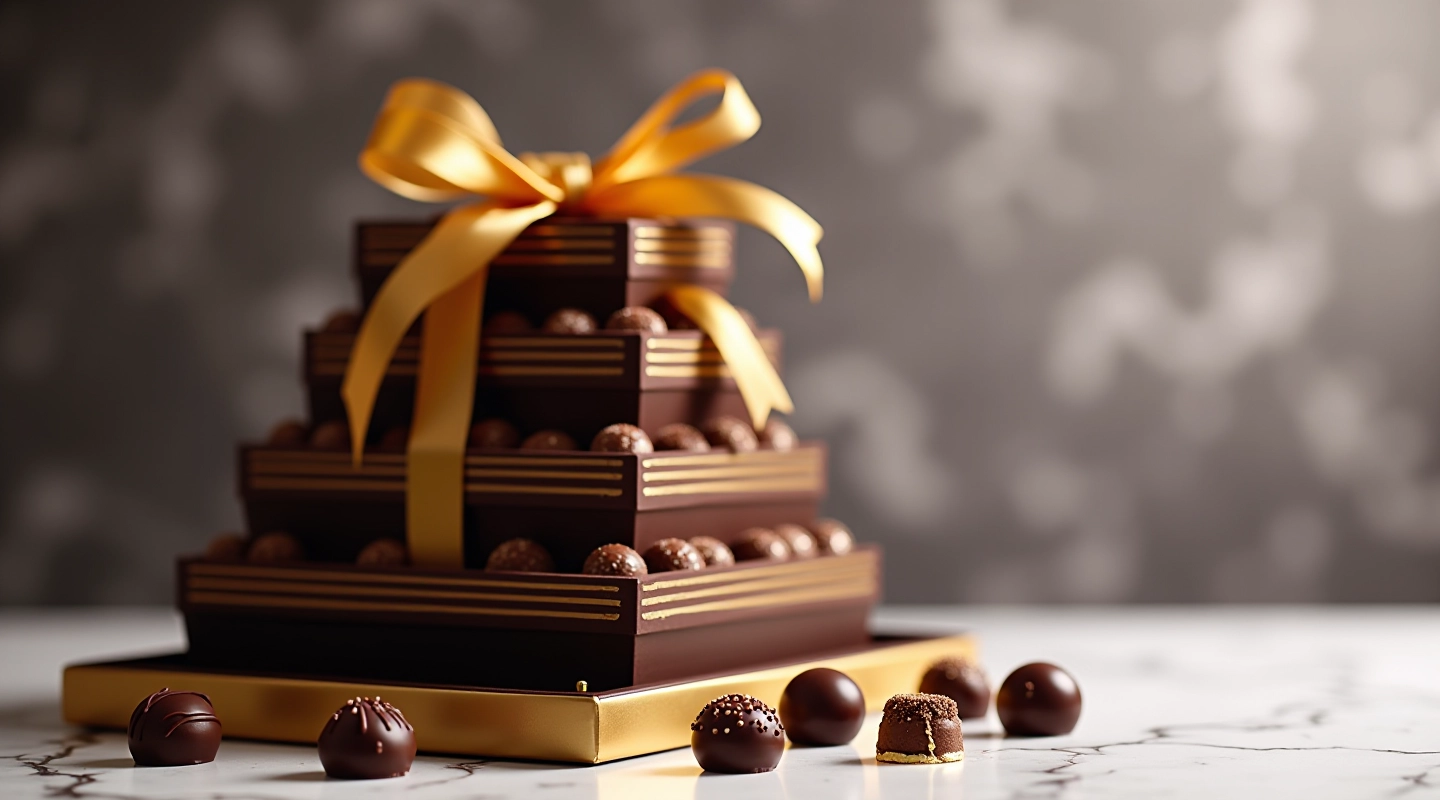
Choosing the Perfect Chocolate Truffle Gift Tower
Learn what to look for when selecting a premium truffle tower. We break down cocoa percentages, filling types, and what actually makes a difference in quality.
Keep your truffle tower fresh and maximize flavor. We cover proper storage conditions, temperature control, and how to taste dark chocolate like a professional.

Editorial Team
Written by the giroflow Artisan editorial team, focused on transparent, practical guidance about premium chocolate truffle gift towers.
Premium truffles aren't just candy. They're delicate creations with carefully balanced flavors, cocoa butter compositions, and fillings that can shift dramatically with temperature or humidity. Store them wrong, and you'll lose everything that makes them special. Store them right, and they'll taste better weeks from now than they did on day one.
The difference between a fresh truffle tower and a degraded one isn't always obvious at first bite. It's subtle — a dull finish instead of that snap when you break into it, a filling that's separated from the chocolate shell, or flavors that taste muted. These things happen gradually when conditions aren't right.
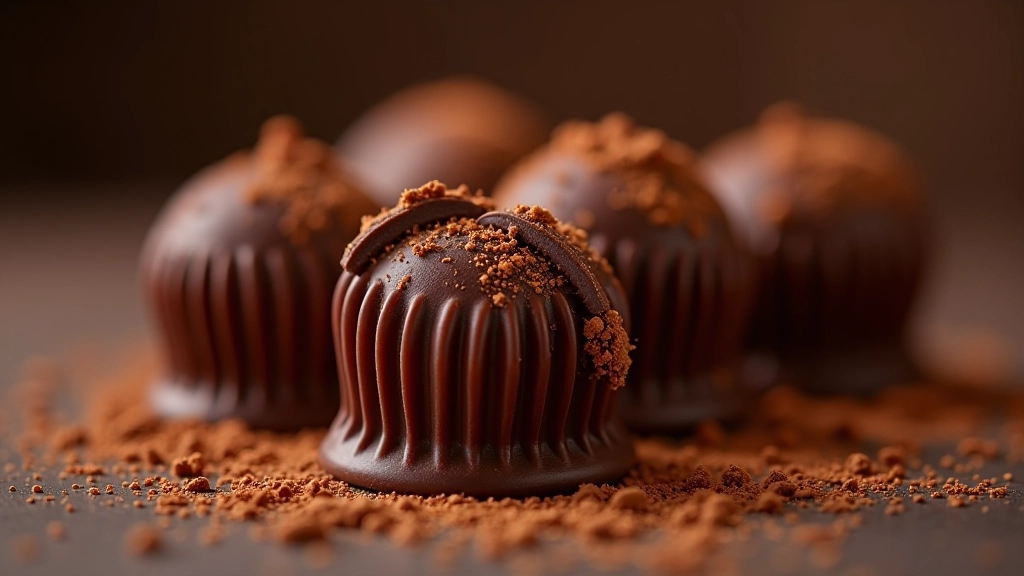
You don't need specialized equipment. You need consistency. Temperature fluctuations cause cocoa butter bloom — that grayish-white coating you'll sometimes see on old chocolate. It's not mold. It's the cocoa butter crystallizing unevenly, and it changes the texture completely.
Store between 60-70°F (15-21°C). A cool closet works better than a refrigerator. Why? Fridges introduce moisture when you open the door. Moisture is chocolate's enemy.
Aim for 50-60% humidity. Too dry and the cocoa butter dries out unevenly. Too humid and the ganache absorbs moisture, getting soft. A small silica gel packet in your storage box helps tremendously.
UV light breaks down cocoa butter and can cause discoloration. Keep your tower in an opaque box, not on display on a shelf. Darkness preserves flavor complexity.
Chocolate absorbs odors. Don't store it next to coffee, spices, or anything pungent. Store it alone, or with other chocolates only. That's it.
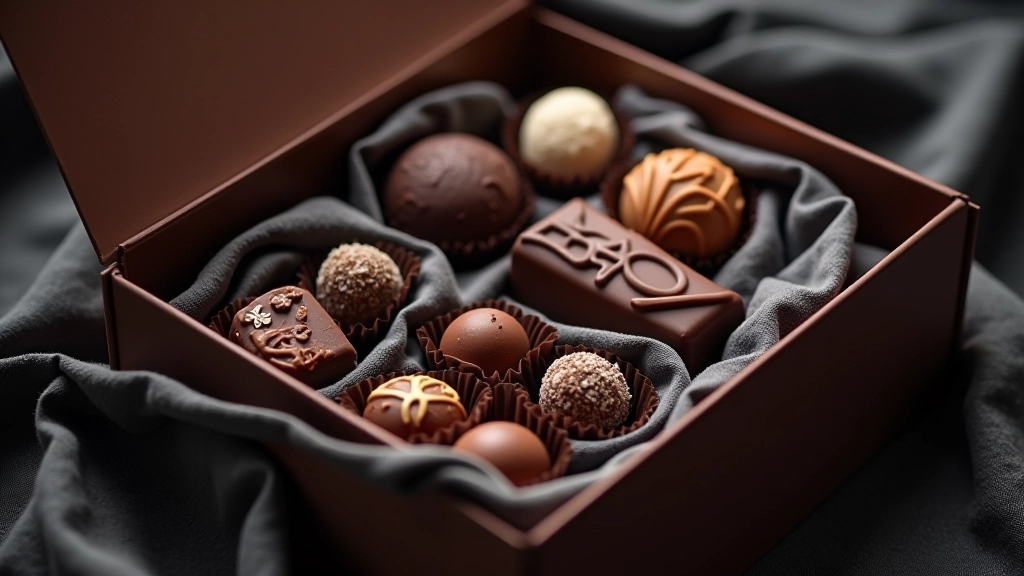
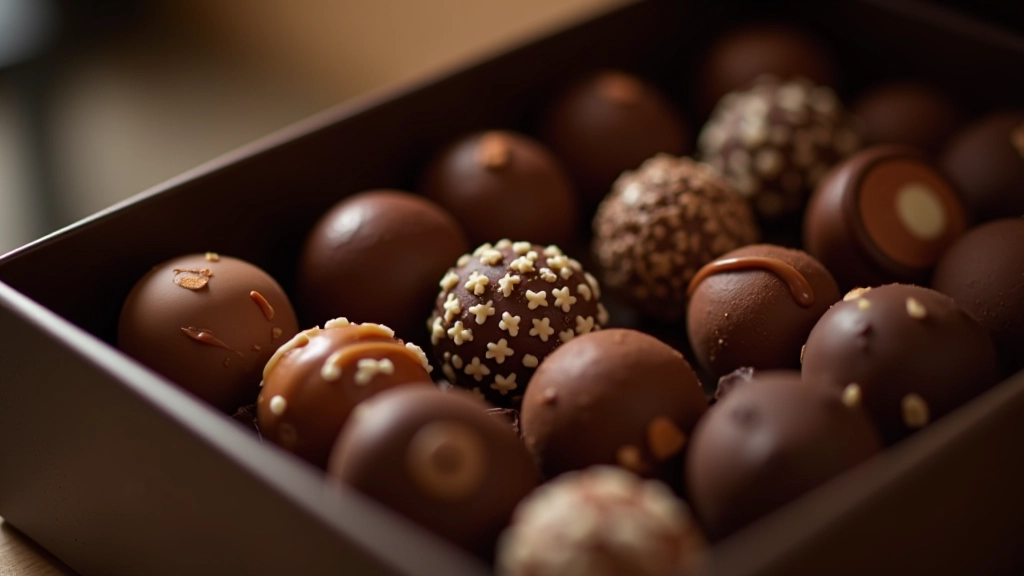
This depends entirely on the filling and storage conditions. A ganache-filled truffle with proper storage can last 3-4 weeks. Some filled truffles with alcohol or stabilizers will go 5-6 weeks. But here's the secret nobody tells you — they don't get worse in a straight line. They change.
The key? Don't treat all truffles the same. A dark chocolate shell with a simple cocoa powder coating lasts longer than one with a delicate tempered chocolate coating. Ask yourself — what's inside? That's what determines longevity.
Learn what to look for when selecting a premium truffle tower. We break down cocoa percentages, filling types, and what actually makes a difference in quality.
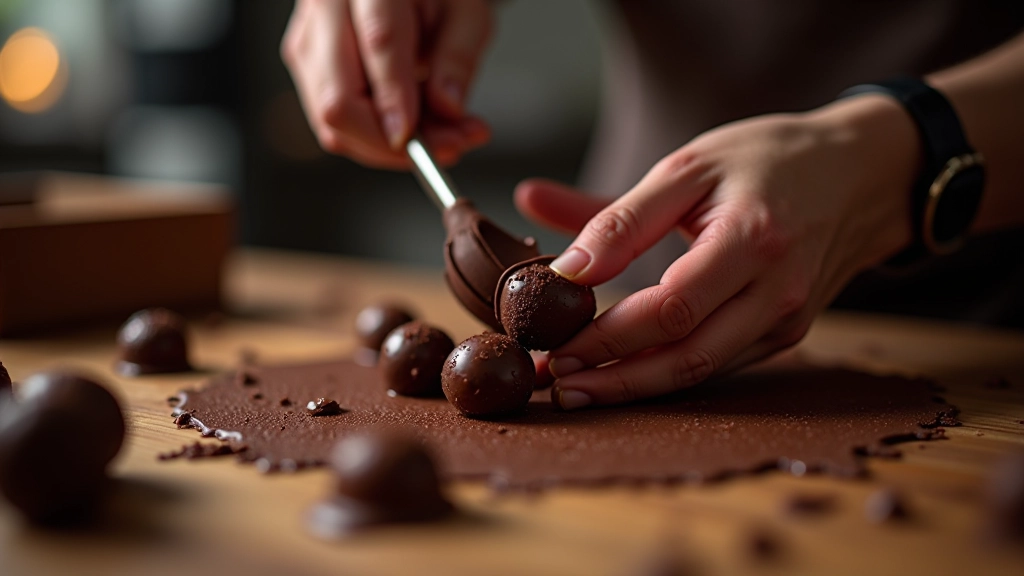
Discover the heritage behind giroflow's finest chocolate makers. From sourcing premium cocoa to hand-tempering techniques passed down for generations.
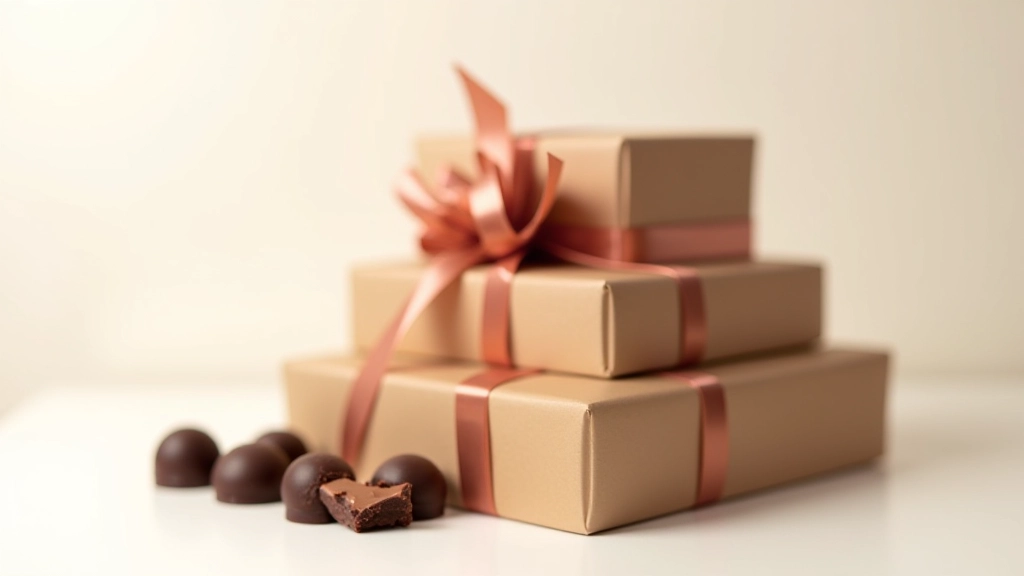
From weddings to corporate gifts, we've got you covered. Find the right truffle tower for every occasion and make your gift memorable.
The storage recommendations provided here are general guidelines based on chocolate science principles. Individual results may vary depending on your specific truffles, climate, and storage environment. If you have truffles with special ingredients or dietary concerns, check the packaging for manufacturer-specific storage instructions. Proper storage extends shelf life and maintains quality, but doesn't prevent natural aging of chocolate products.
Tasting chocolate isn't about eating it quickly. It's about observation. Real chocolate tasting involves your hands, eyes, ears, and nose before you ever put anything in your mouth. This isn't pretentious — it's how you actually experience what you're eating.
Look for a glossy finish. Dull spots mean the cocoa butter has crystallized unevenly. A perfectly stored truffle should have a consistent sheen. If it's covered in cocoa powder or other coating, that's intentional — check that the coating is even.
Bite into it. A fresh truffle should snap. That sound tells you the cocoa butter is properly crystallized. A soft crunch is normal if it's been warming up. A mushy bite means either poor storage or it's been sitting at room temperature too long.
Right after you break it, before you chew. Bring it close to your nose. The first aroma is your olfactory system getting the volatile compounds from the chocolate. That's where 90% of the flavor lives. Sweet? Earthy? Fruity? That first sniff is everything.
Place it in your mouth and don't chew immediately. Let your body heat melt the chocolate for 5-10 seconds. This releases flavors gradually. You'll taste the initial cocoa notes, then the filling emerges. Finally, the cocoa butter carries the flavor longer as it coats your mouth.
After you swallow, what lingers? Good chocolate leaves pleasant notes for 30-60 seconds. That's the cocoa butter finish. If it disappears instantly, either the chocolate was lower quality or it's not been stored well. If it's bitter or harsh, it's aged past its peak.
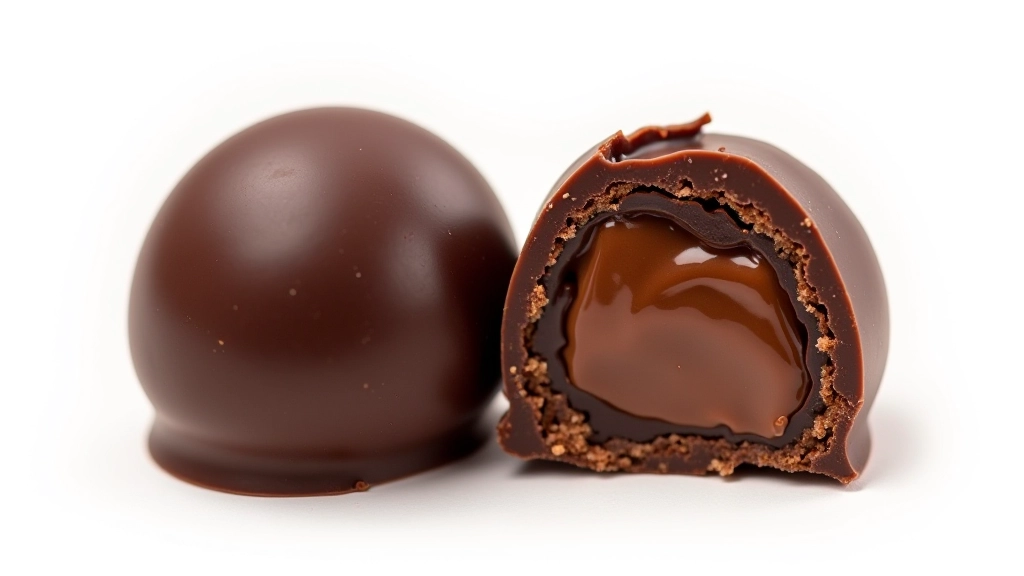
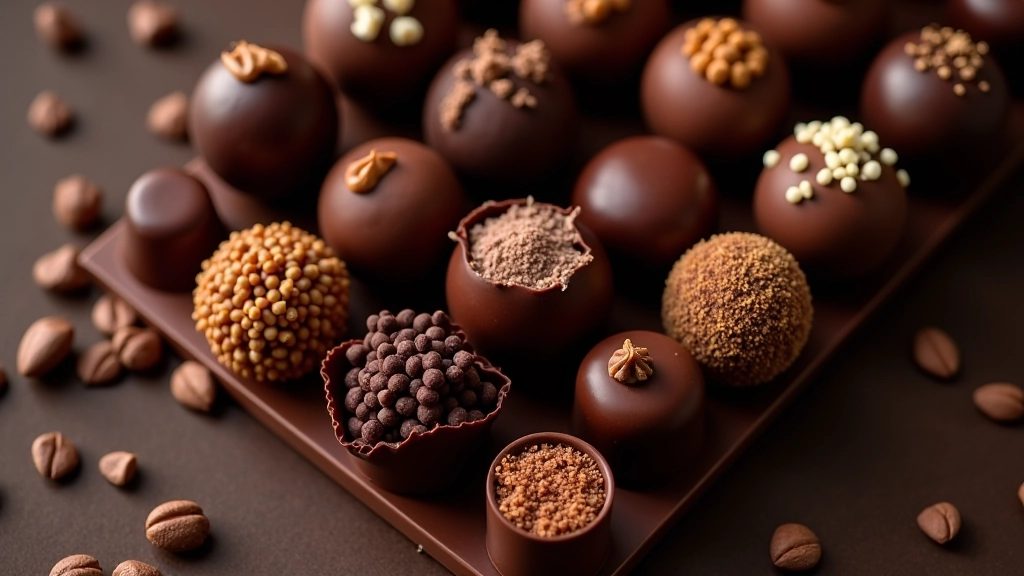
Cocoa percentage tells you how much pure cocoa (cocoa solids plus cocoa butter) is in the chocolate versus sugar and other ingredients. But it doesn't tell you everything about flavor. A 70% truffle from one maker tastes completely different from a 70% from another. Origin, fermentation, roasting — all of these matter.
Smooth and approachable. You'll taste cocoa sweetness with subtle fruity or nutty notes. Best for trying new flavor combinations because the cocoa isn't overpowering.
The goldilocks zone. Cocoa flavor is prominent but not aggressive. You'll taste the origin — maybe berry notes from Ecuador, earthy tones from Madagascar. Most serious chocolate lovers prefer this range.
For purists. Intense cocoa flavor. Less filling, more chocolate. You'll taste every aspect of how it was made. Requires an appreciation for bitter and complex notes.
Storage affects flavor perception. A 70% that's been stored at room temperature will taste flatter than one stored properly. Temperature fluctuations dull the complexity. Proper storage doesn't just preserve — it protects the nuances you're paying for.
Premium truffles are an investment. They're crafted with intention, stored with care, and deserve to be treated that way when they reach you. The difference between eating them fresh and eating them properly stored weeks later isn't just about avoiding waste — it's about actually experiencing what the chocolatier created.
You've got this. Keep them cool. Keep them dry. Keep them dark. And when you finally taste them, take your time. That's when you'll understand why people care so much about premium chocolate.